



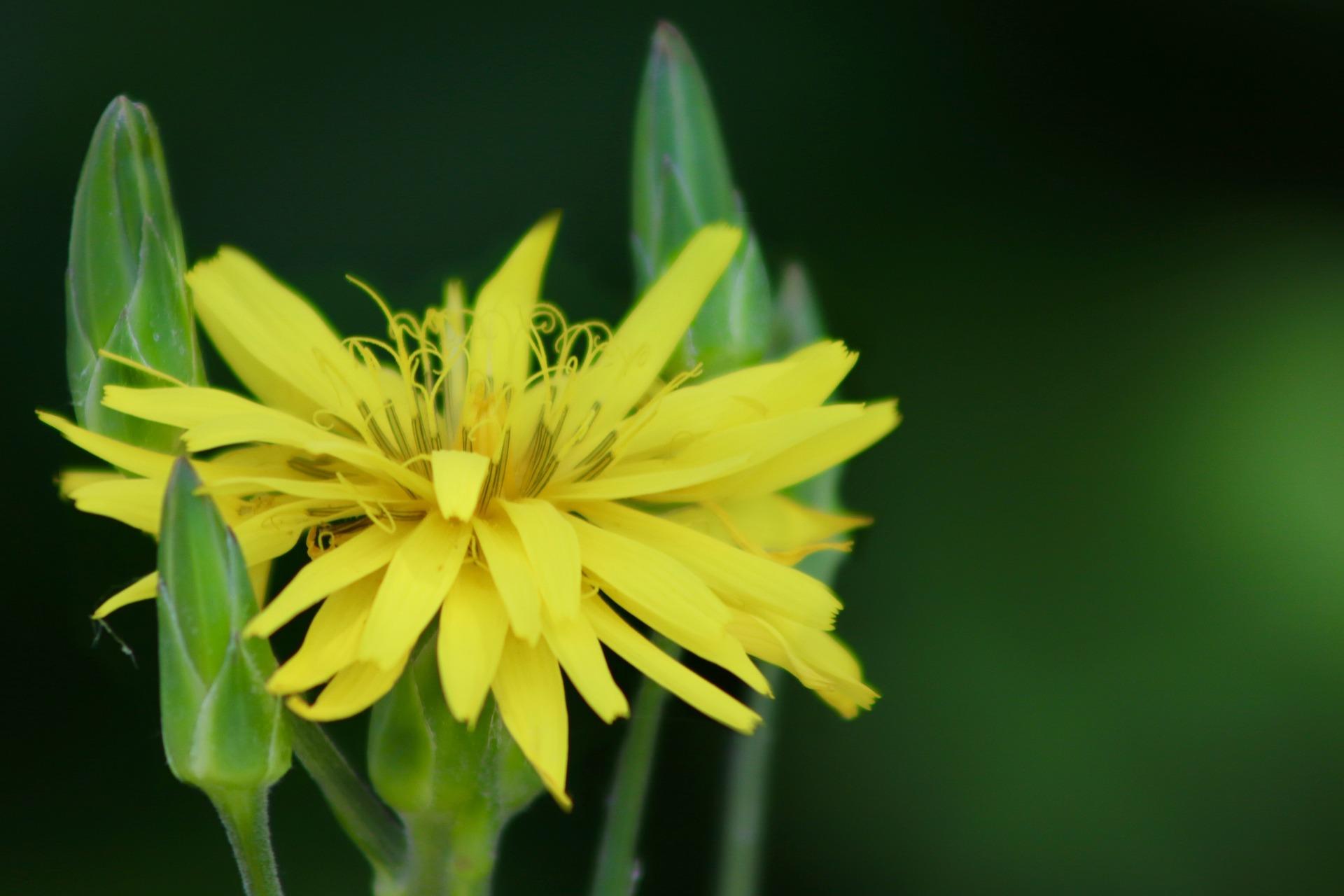
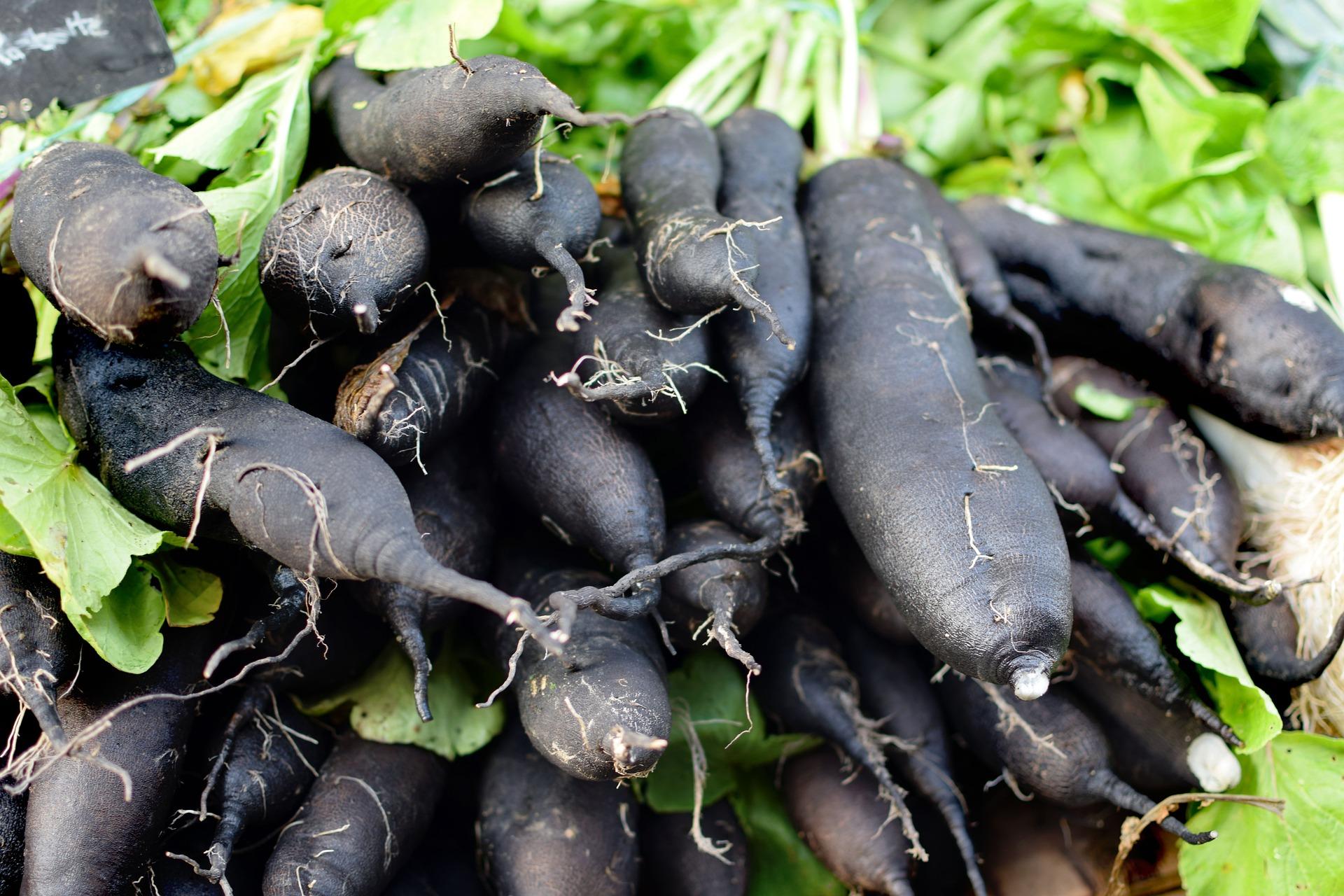
Salsify is not as readily available in shops now, but was once very popular as the 'superior parsnip' for its subtle flavour. It is also known as the 'vegetable oyster' and looks similar to a parsnip. However, it is easier to germinate and grow. There are also black varieties, such as scorzonera or 'black salsify'.
Sow directly from April to late May, after the last frosts, in light soil. Like other root vegetables, they ideally grow in deep beds or large containers. You can add sand to clay soils to improve them. Manure causes the vegetable to fork.
Sow in rows, approximately 8 inches apart and 1-2 inches deep. You can thin them out as seedlings appear. Salsify will require watering during dry spells and to keep it weed-free.
Salsify should be ready to harvest in autumn, between October and November. They can stay in the ground for you to pull as required, and the remaining salsify should be pulled up by the following February. Alternatively, you can lift them and store them in compost or sand.
Salsify roots can be boiled, steamed, or roasted. Peeling it raw can be messy because of a sticky latex sap that stains hands, but the process is easier if you parboil the roots first or peel them under running water to prevent the flesh from turning brown.
To grow salsify successfully, sow seeds directly into the soil, as the roots develop best without being moved later. Choose a deep-growing area so the crop can form long, straight roots as the plant matures. Loose soil helps reduce resistance and supports even growth below the surface.
Prepare the ground carefully by removing stones and breaking up compacted soil before sowing. When growing salsify, keep the area evenly moist during early growth so that seedlings establish without stress. Maintaining steady conditions will allow the plant to focus its energy on both root development and leaf growth.
Knowing when to plant salsify helps avoid early setbacks during germination. Seeds are usually sown in mid to late spring, once the risk of frost has passed and the soil has warmed. Cooler soil can slow germination and lead to uneven growth.
Direct sowing works best, as the roots dislike disturbance once they begin to form. Planting within this window gives the crop enough time to develop fully before autumn harvests begin.
Salsify can grow to a moderate size, reaching around 1 to 1.2 metres, so it is important to space your plants properly when growing salsify in the UK. Leave enough room between plants so each root can expand without competing, supporting stronger growth later.
During the growing season, check the soil regularly to ensure it stays loose and free of compaction. Heavy or compacted ground can cause the roots to twist as they grow, affecting their shape and overall harvest quality. Lightly hoeing the surface also improves airflow and helps rainwater soak down to the roots more evenly.
Harvesting usually begins in autumn once the roots have reached a usable size. If you’re deciding when to pick salsify, gently loosen the soil before lifting to avoid snapping the roots. Use a fork rather than pulling directly from the leaves for safe measure.
Roots can remain in the ground through winter and be lifted as needed, provided the soil is workable. For longer storage, harvested roots can be kept in damp sand or compost, which helps retain texture and flavour.
Eager to enjoy sweet salsify roots directly from your garden or allotment plot? We provide detailed growing guides and lots of information about living sustainably. If you’re yet to have an allotment, find your nearest association here.
Become part of a welcoming community of gardeners who share their passion for growing and celebrate the joys of cultivating your own produce. By joining, you can share your progress and gain insights from fellow growers to make your harvests successful.
Looking for guidance on other crops? Explore our Grown Your Own page for expert tips on kale, courgettes, apples, blueberries and more!