



The difference between Calabrese and Broccoli can be difficult to determine. For gardeners and growers, Broccoli is an overwintering vegetable, whereas Calabrese will provide a crop during the same season it is sown. Calabrese has a milder flavour and will also provide a second crop of sprouting Calabrese before winter.
Calabrese is part of the brassica family and, from a growing point of view, should be treated as such.
Calabrese does not like its roots disturbed, so the best way to sow it from seed is to sow in modular trays or pots from early spring until June-July, when they can be transplanted to their final growing position.
Prepare the soil with compost in a sunny, sheltered position with good drainage. Plant Calabrese plants approximately 50cm apart, depending on the variety, and protect them as you would other brassicas in a cage or covered with netting.
Keep them weed-free and watered during dry spells. Watch out for the usual brassica-associated pests and diseases.
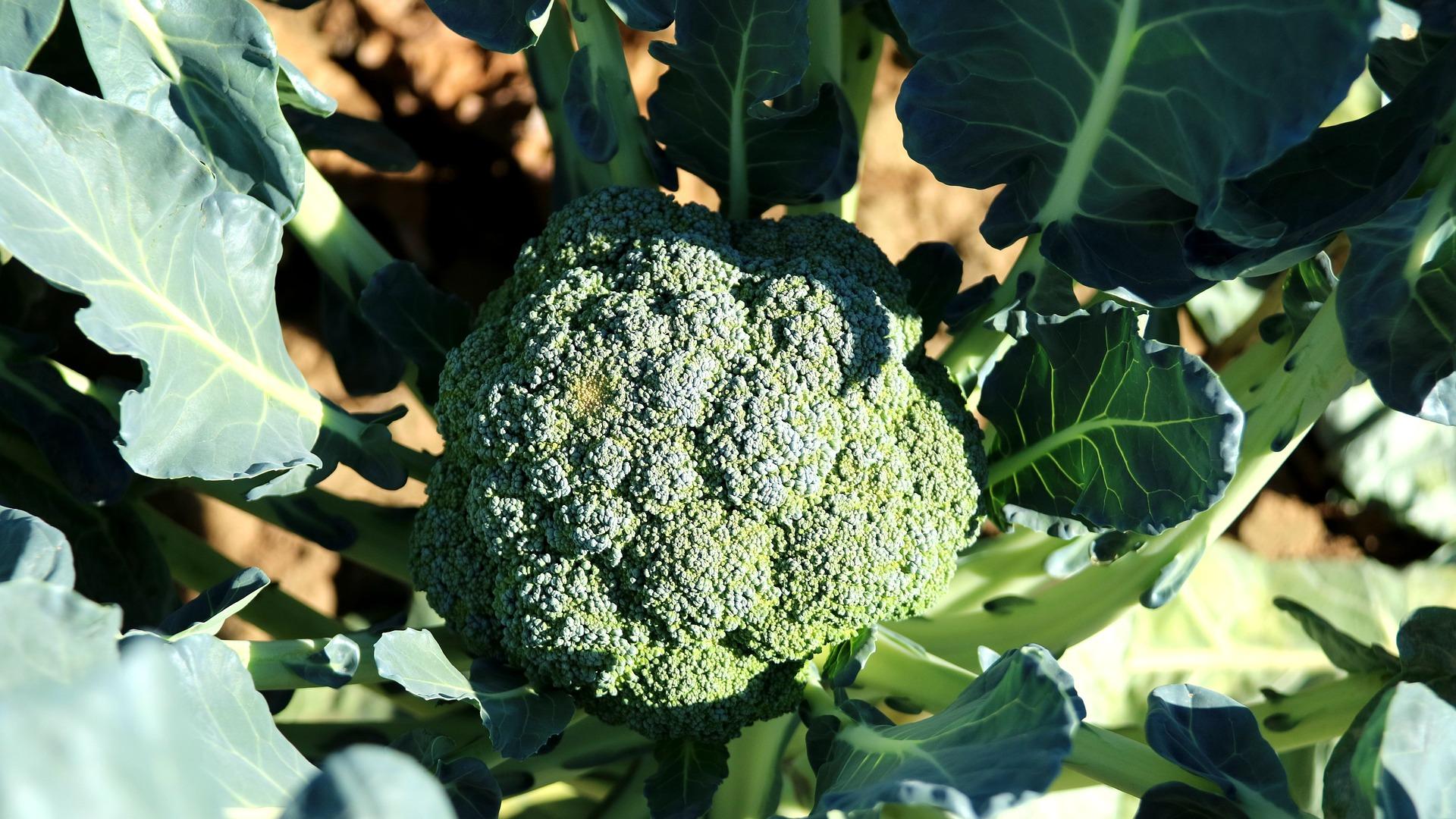
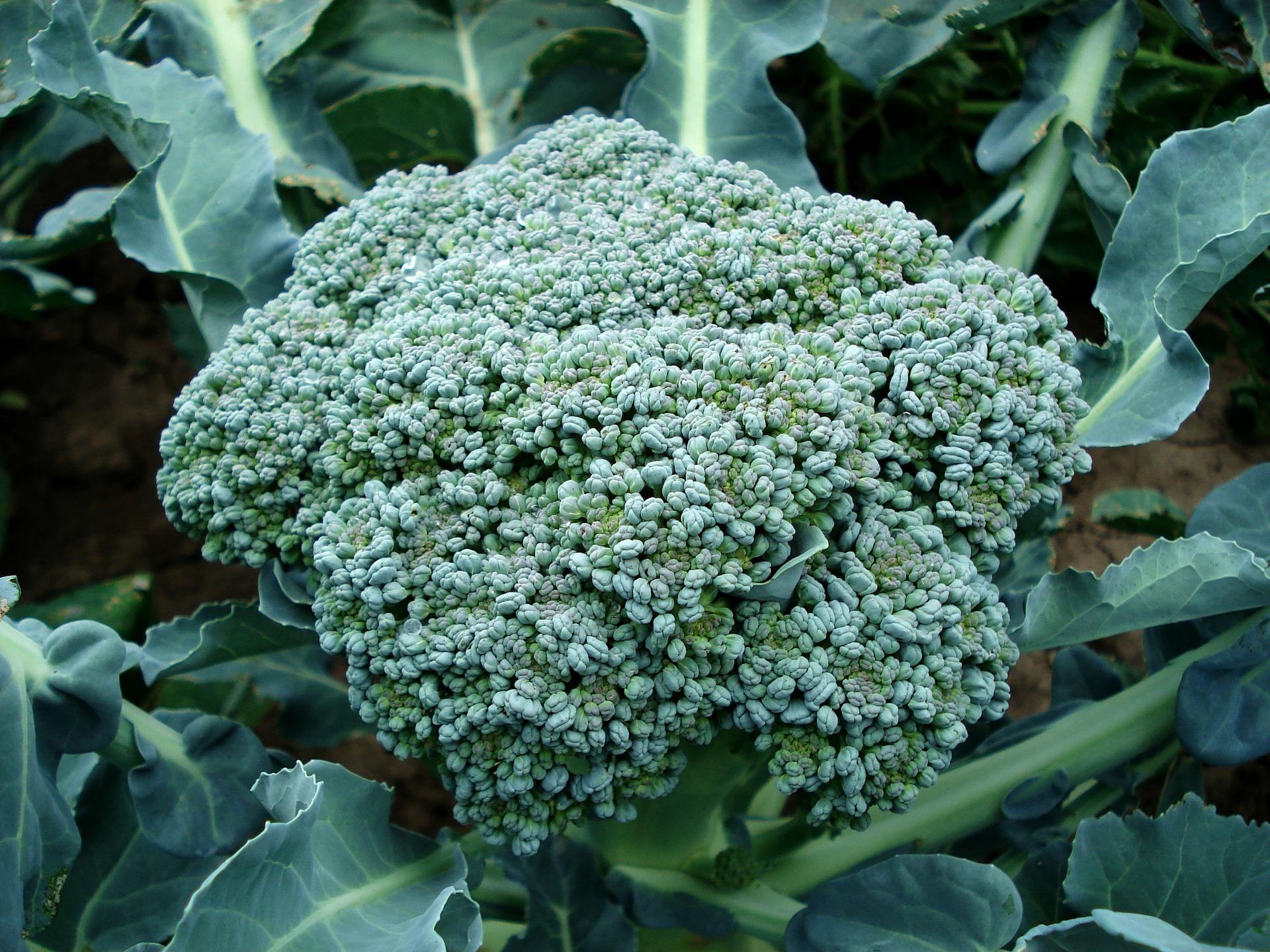
Most Calabrese varieties will give you two crops from one plant. First, the central dome will form. Harvest this before the beads begin to loosen. The plant will then produce small side shoots that can also be harvested for a second crop of Calabrese spears.
Calabrese is best cooked by steaming rather than boiling to retain its flavour and texture. It is also enjoyed widely in stir-fries.
To grow calabrese, start seeds in small pots or modular trays to help the plant develop without stress. Calabrese prefers well-drained soil and space for strong root development, so this approach helps ensure stronger growth before you move the plants into their final position.
Prepare well-draining soil and ensure it is enriched with compost when growing calabrese. Choose an open, sheltered area where plants can receive consistent light and have enough space to mature. Once transplanted, gently firm the soil around the base to keep the plants stable as they grow.
Additionally, regularly water at the soil level and ensure basic protection from pests to help the plant direct its energy into forming a solid central head, followed by healthy side shoots later on.
Planning when to plant calabrese starts with understanding how the crop develops through the season. Seeds are usually started in early spring, once conditions allow for steady root growth without sudden temperature changes. Starting under cover ideally gives young plants enough time to strengthen before they are placed outside.
Once the seedlings have developed many leaves, they can be moved outside into prepared soil. The ground should not be compacted, as this promotes smoother root growth after transplanting.
Good spacing is essential when growing calabrese in the UK, because it improves head formation as growth continues. Leave around 40 to 50 centimetres between plants so leaves can open fully and air can circulate through the crops. This reduces pressure on the stems as the central head begins to form.
Watering should be consistent, especially during dry spells, as uneven moisture can affect development. Focus water at the base of the plant and keep the surrounding soil clear during the first 4 to 5 weeks.
Harvesting begins once the central head feels firm and compact, with tight buds that have not yet opened. If you’re deciding when to harvest calabrese, this stage usually comes a few weeks after transplanting, once the plant has settled and grown steadily. Cut the main head cleanly, leaving the rest of the plant intact.
After the main head is removed, the plant continues producing smaller side shoots over time. These shoots can be picked regularly while they remain tender, which extends the harvesting period.
Ready to enjoy tender, homegrown calabrese straight from your garden or allotment? At Allotment Online, we offer detailed growing guides, practical tips and crop-specific advice to help your plants flourish.
Connect with an active community of gardeners who share experiences, celebrate harvests and exchange helpful strategies for thriving crops. Or, discover your nearest allotment society and get started!
Curious about other vegetables as well? Visit our Grow Your Own page for expert tips on growing carrots, rhubarb, radish and more!