



Are you on the waitlist for an allotment space? Growing cress can be the solution to keep nurturing your green spirit until you get access to a plot of land.
Commonly known as Cress, its official name is Lepidium sativum, and it’s also known as Pepperwort and Peppergrass. Cress is an annual plant, meaning you can enjoy it all year round if it is grown indoors.
Cress is incredibly easy to grow, making it a great activity to try with young children thanks to its quick germination and speedy harvest. Its flavour is fresh and peppery, with a slight mustard kick, perfect for adding to salads, sandwiches, or as a garnish.
If you’re wondering how to grow cress, when to plant cress or when to pick cress read this guide on growing cress in the UK, or reach out to our community for any specific tips.
You can grow cress in a small bowl, a seed tray, outdoors and for a fun project for children, you can even grow it in an egg shell. Some of the popular varieties of cress include ‘mustard cress’ and ‘extra curled’ cress.
The best part about growing cress indoors is that you can plant it throughout the year and get regular harvests. Those planning to grow cress outdoors can do so from early spring until early autumn, however the plants won’t survive in frost or cold temperatures.
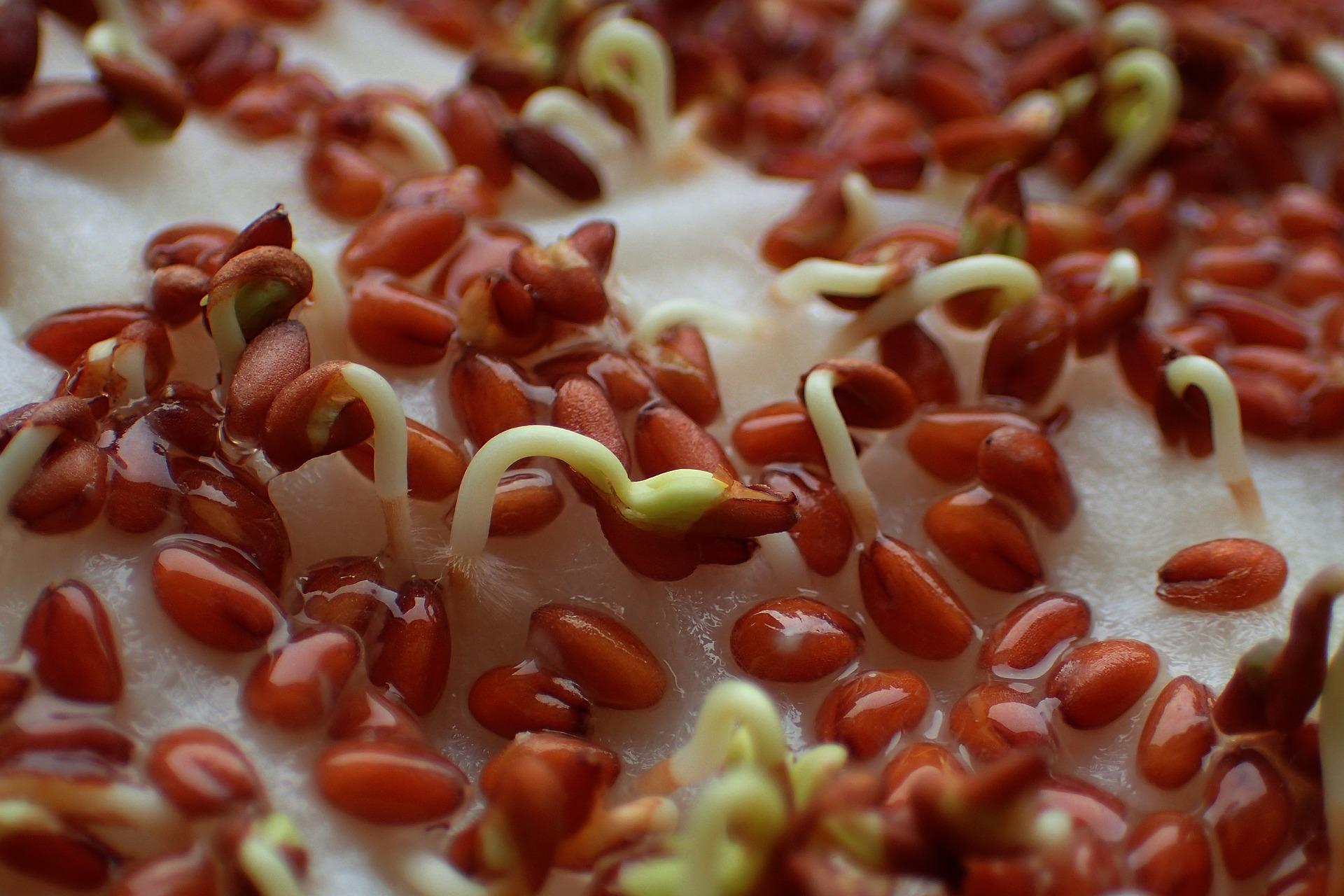
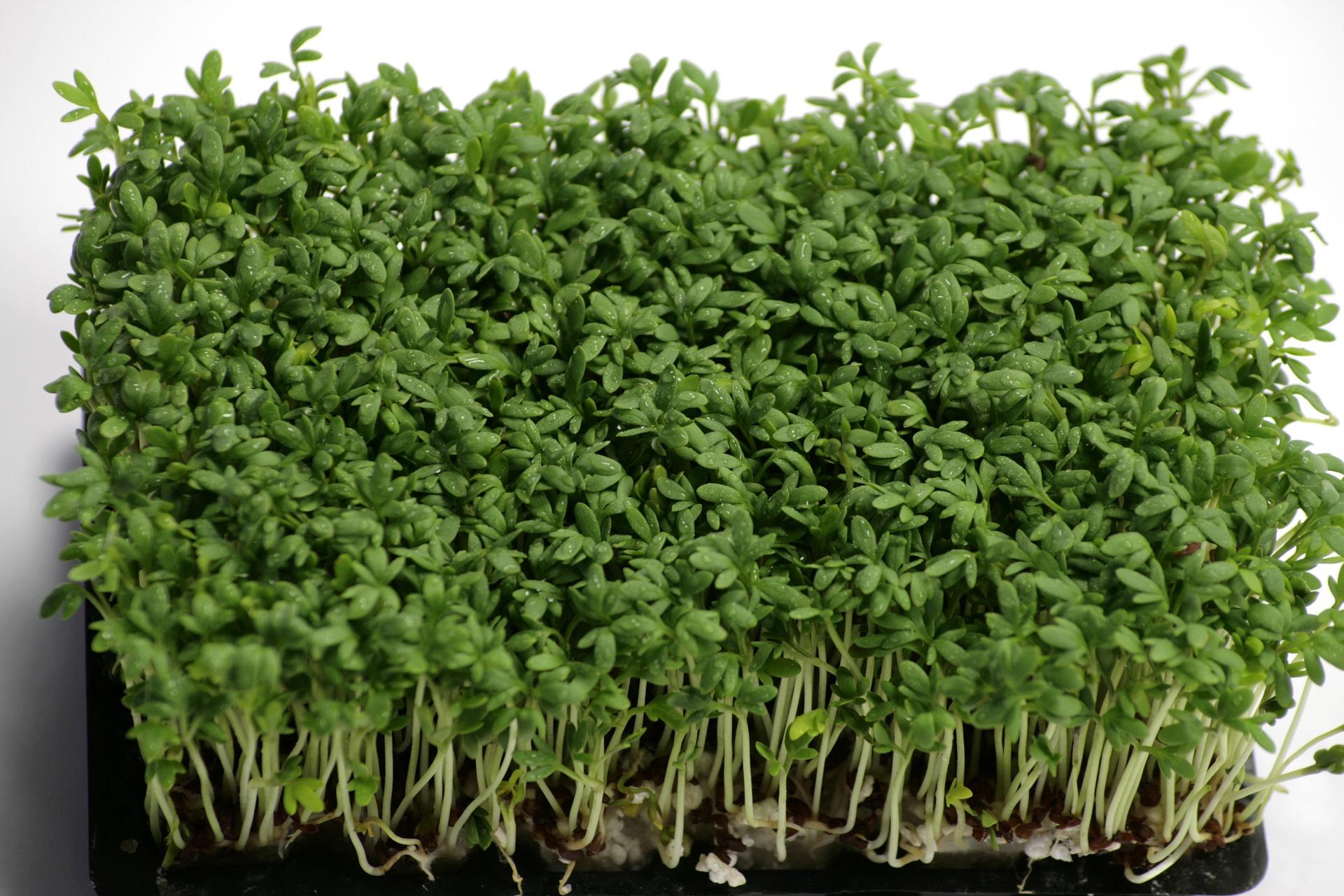
Cress is the ideal crop for impatient growers. If you constantly find yourself wondering when to pick cress, then we’ve got some good news. Cress is ready for harvesting in a few days of sowing. As both the flowers and leaves are edible, you can pick them once they are an inch tall or wait until they mature.
Use scissors to snip cress as and when you need it, younger leaves tend to have the best flavour, so it’s worth harvesting regularly rather than leaving them too long. After around 3–5 cuts, the plant will begin to go to seed.
Ready to grow cress at home? Allotment Online offers expert guides, crop-specific tips, and a vibrant community of growers to help you succeed. Our website can also help locate the nearest allotment society for you, and help with monthly growing guides for vegetables, fruits, nuts or herbs.
Join today to share your stories, get advice from fellow gardeners, and enjoy the satisfaction of harvesting fresh, homegrown produce.
Got a question or success story? We’d love to hear it! Sign up and become part of the community!
Are you looking for tips on growing Brussel sprouts, pumpkins or squashes? Head to our Grow Your Own page, and we’ll answer more specific growing-related questions.