



If you like fresh salads harvested directly from your allotment or garden, endive is a reliable crop to grow. It is a leafy vegetable that grows similarly to lettuce and chicory, with robust leaves that appear in different colours and can tolerate winter harvesting. Raw endive has a slightly bitter taste, but when braised, roasted or baked, it develops a sweet and nutty flavour. You can grow endive in containers if you have limited space.
One of the best parts of growing endives in the UK is that it requires little maintenance, and it works well as a cut-and-come-again crop.
Read our guide on how to grow endive and find clear answers to common questions, including when to plant endive and when to pick endive. Sign up for our newsletter to stay informed about allotment updates and growing advice.
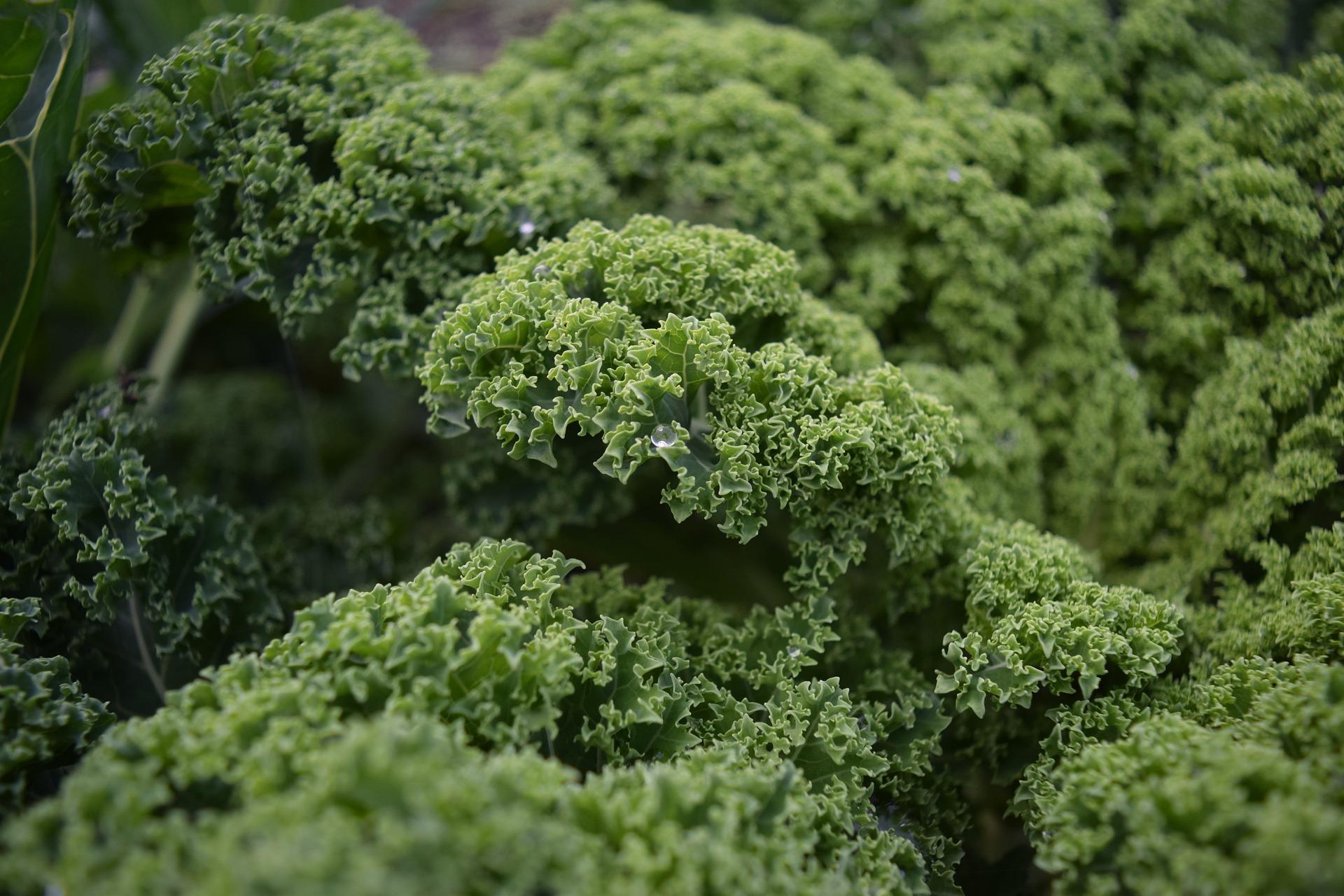
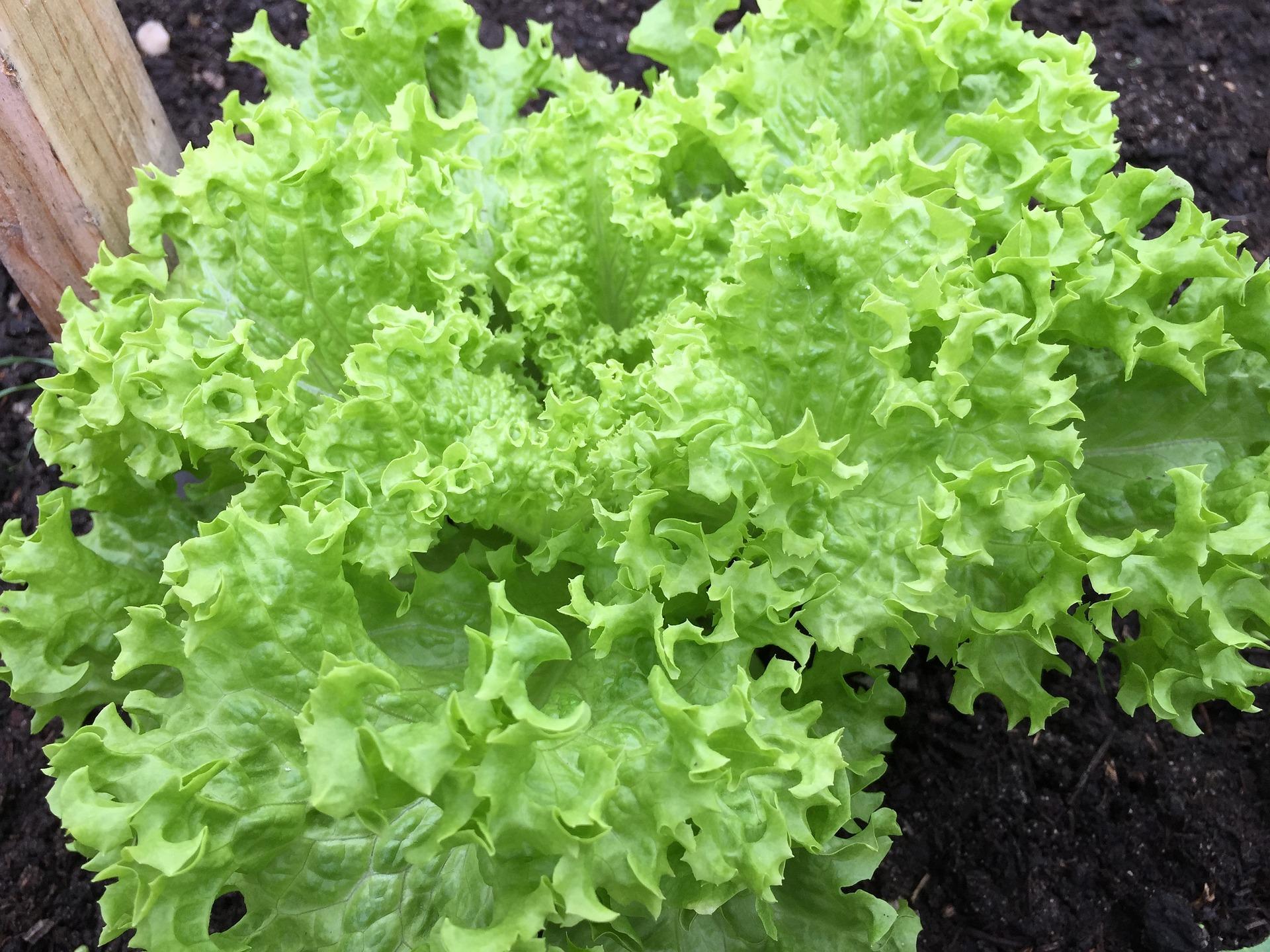
There are 2 types of endive that you can grow in the UK:
Endive can be sown indoors or directly outdoors once the weather has warmed up in late spring. You can start sowing from February through August.
For outdoor sowing, wait until the ground has reached 15°C-22°C. To get a head start, sow in containers indoors under grow lights or a polytunnel, then transplant outdoors once it’s warm enough.
For winter varieties, sow endive in late August and cover it with cloches as temperatures begin to drop.
You can grow endive in containers. It grows quickly and easily as long as the soil stays evenly moist rather than dry or waterlogged. It also prefers a sunny position or partial shade for the best results.
Sow endive seeds in trays filled with moist compost. Exposure to temperatures below 5°C can trigger bolting, so it helps to sow every few weeks for a continuous harvest.
Thin out the seedlings and maintain a space of 9-13 inches apart to give each plant space to reach its full size.
Water regularly and add mulch to retain moisture. Mature endive leaves can taste bitter, and blanching for about 2 weeks can help soften the bitter flavour. Protect the plants from snails and slugs, as they are quick to damage the leaves and can slow the plant’s overall growth.
You can harvest young leaves from about one month after sowing, or wait a few months for a mature head. Regular picking encourages fresh growth and helps delay flowering.
Endive will bolt if it is exposed to cold temperatures, so protect it with fleece during cold spells.
Harvesting times for endives vary by variety and sowing date, so check the seed packet for precise guidance. You can stagger sowing to maintain a continuous crop.
Do you want to learn how to grow endive? At Allotment Online, we offer expert guides, crop-specific tips, and a vibrant community of growers to help you succeed.
Join our community today to share your stories, get strategies from fellow gardeners, and enjoy the satisfaction of harvesting fresh, homegrown produce. Sign up and become part of the community!
Are you looking for tips on growing apples, blueberries or courgettes? Head to our Grow Your Own page, and we’ll answer more specific growing-related questions.