



Do you want a healthier and tastier alternative to potatoes? Growing celeriac in the UK might be the solution. Celeriac can be roasted, boiled, mashed, made into soup, or grated and served as a salad with vinaigrette.
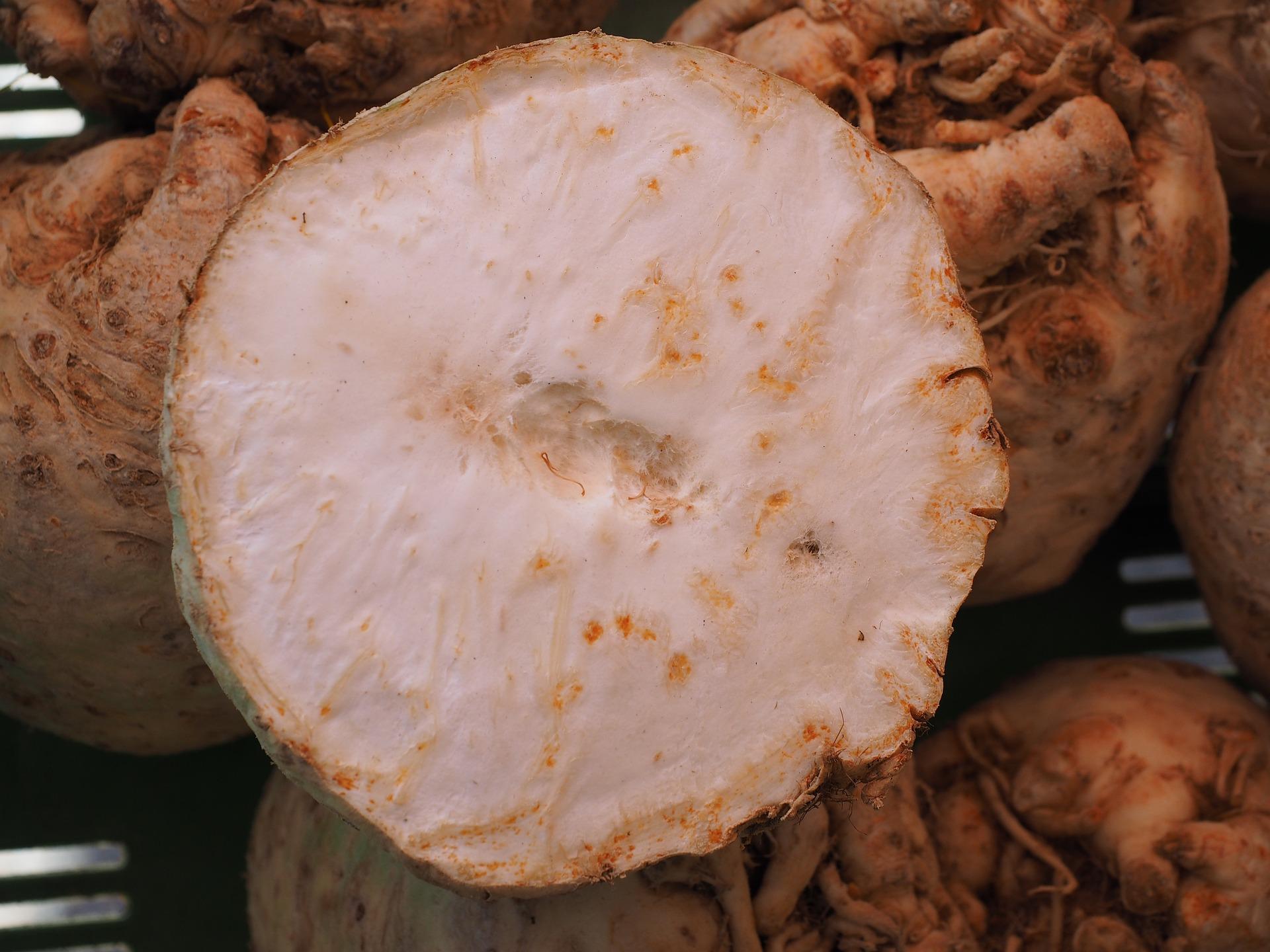
Celeriac tastes similar to celery, but its texture is closer to a swede. Although it looks like a root vegetable, it is actually a swollen stem rather than an actual root.
If you want to start your journey towards healthy eating with organic vegetables, begin by growing celeriac. For extra support and advice on your growing journey, sign up on our platform and connect with fellow gardeners.
You can grow celeriac from seeds or plug plants bought from garden centres. If you choose seeds, start them indoors for a good head start, as they are slow to germinate. Keep the soil moist and in a warm, bright spot to encourage sprouting.
There are several types of celeriac, including:
When growing celeriac in the UK, timing is essential as the plants take around 6 months to mature. The best time to sow them is in March and April. As celeriac seeds and young plants are sensitive to the cold, it’s best to sow them indoors before moving them outside later in the season.
When sowing indoors, use a heated propagator at 15°C, or cover pots with a plastic bag to help retain warmth. Germination can take up to 3 weeks. Once the seedlings appear, move them to a warm windowsill or a greenhouse if you have one.
Transplant celeriac outdoors after the frost has cleared from the ground during late May or early June. Before planting them in their final position, harden off the young plants to help them adjust to outdoor conditions.
Start by sowing celeriac seeds in pots and place them in a warm, bright position. As the seeds need light to germinate, cover them only lightly with compost. Keep the seeds and seedlings at a warm temperature of at least 18°C, as cooler conditions can cause the plants to bolt.
By the end of May, you can begin hardening off the seedlings and planting them outside from late May to mid June. Choose a sunny location with manure-rich, well-drained soil. Celeriac needs consistent moisture, so do not let the soil dry out. Applying mulch helps retain water and supports steady plant growth.
As the plants develop, remove some of the outer stems to expose the crown, leaving 3-6 in place to encourage bulb formation. Remove side shoots as they appear, keep the bed weed-free and continue to water regularly.
From September onwards, earth up around the plants to protect them as temperatures begin to drop.
If you are wondering when to pick celeriac, it is usually ready for harvesting in November. Like a root vegetable, they can be left in the ground until you need them.
However, it is best to fork them up if a hard frost is expected. Celeriac actually improves in flavour and grows after a light frost, and the taste continues to develop the longer the roots are left in the soil.
Celeriac can be stored like other root vegetables. The thick skin should be peeled before use, after which celeriac can be roasted or boiled. Preparing it takes a little bit of effort, similar to a swede, but it's well worth it for its versatility in the kitchen.
If you’re looking for inspiration, you might enjoy our simple recipe for celeriac chips.
Do you want to grow celeriac in your allotment? At Allotment Online, we offer crop-specific tips and a supportive community of growers to help you succeed. Whether you’re new to allotment growing or have some tips to share with other growers, this is the platform for you.
Join your fellow gardeners, swap your growing stories and advice and enjoy the satisfaction of harvesting fresh, homegrown produce.
Got a question or success story? We’d love to hear it! Sign up and become part of the community!
Are you looking for tips on growing apples, pak choi or tomatoes? Head to our Grow Your Own page, and we’ll answer more specific growing-related questions.