



Fennel has a sweet, mild, earthy flavour, making it a great addition to salads, stews, or casseroles. Growing fennel in the UK is easy, as it is a hardy plant that requires little maintenance once established. This herb dies every autumn and then re-grows in the same position once spring arrives.
Fennel comes in two popular variants, the common culinary herb and Florence fennel, grown for its edible bulb. No matter which one you want to cultivate, our tips on how to grow fennel will help you succeed.
If you want to grow fennel in your kitchen garden, this guide also covers when to plant and pick fennel, providing useful advice for both new and experienced growers.
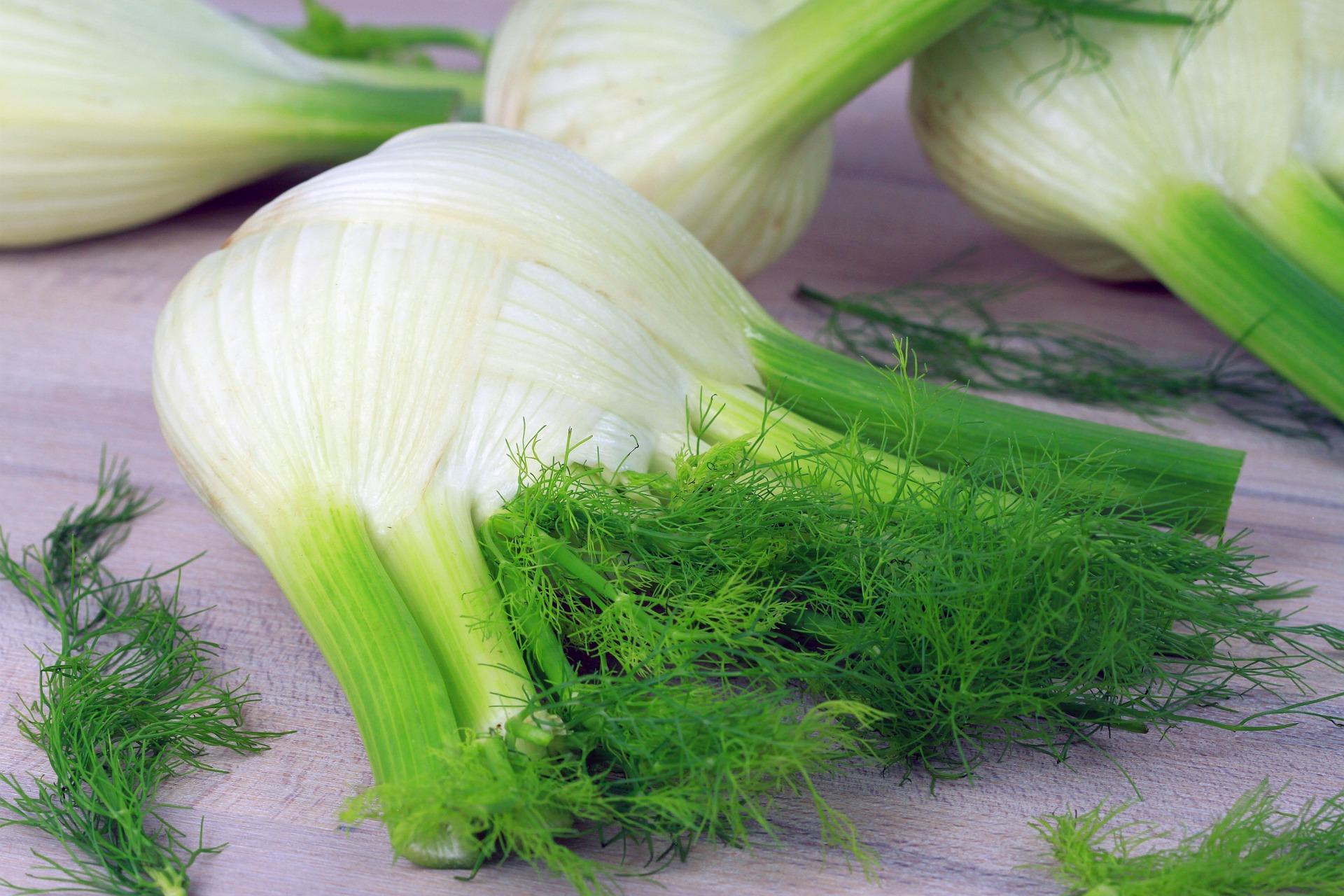
Both types of fennel have a subtle aniseed flavour. Common Fennel, also called Sweet Fennel, grows tall and is mainly used as a culinary herb. Florence Fennel is grown for its bulb, which can be eaten like a vegetable.
The popular variants of the two main types of fennel are:
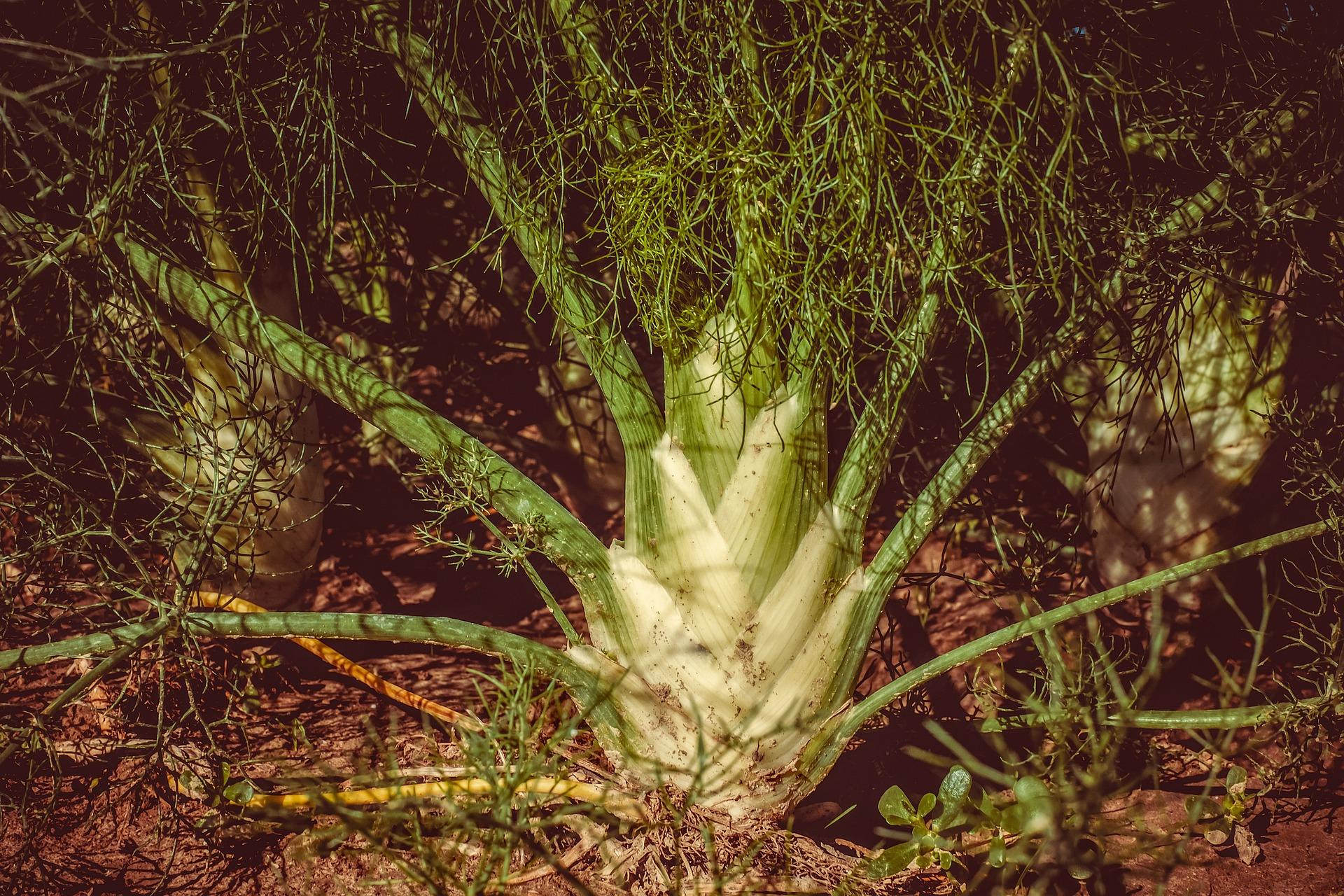
You can sow common fennel from March to July, and it is best sown directly outdoors, as the plant cannot tolerate root disturbances during transplanting.
Florence fennel can be started indoors in greenhouses or polytunnels from April. Transplant the seedlings outdoors in June or July, once the early potatoes have been harvested.
Before planting, harden off the seedlings and keep the module intact to protect the roots from damage during transplanting.
Florence fennel can be harvested from August to October once the bulbs reach about tennis ball size. Cut the bulbs at the base and remove the leaves before storage or use.
Fennel seeds are typically ready for collection after the common fennel has flowered and the seed heads have fully formed. You can pick the leaves at any time, and regular harvesting encourages new growth.
The fennel sprigs can be harvested from early summer onwards, and the more you harvest, the more they grow throughout the season.
The bulbs of Florence fennel can also be frozen to extend their storage life and allow you to enjoy them beyond the growing season.
Want to grow fennel in your allotment? Allotment Online offers expert guides, crop-specific tips, and a growing community that will help you succeed. If you’re new to growing fennel in the UK, we’re here with tips, encouragement, and answers.
Join today to share your stories, get advice from fellow gardeners, and enjoy the satisfaction of harvesting fresh, homegrown produce. Sign up and become part of the community!
Are you looking for tips on growing aubergines, peppers or tomatoes? Head to our Grow Your Own page, and we’ll answer more specific growing-related questions.