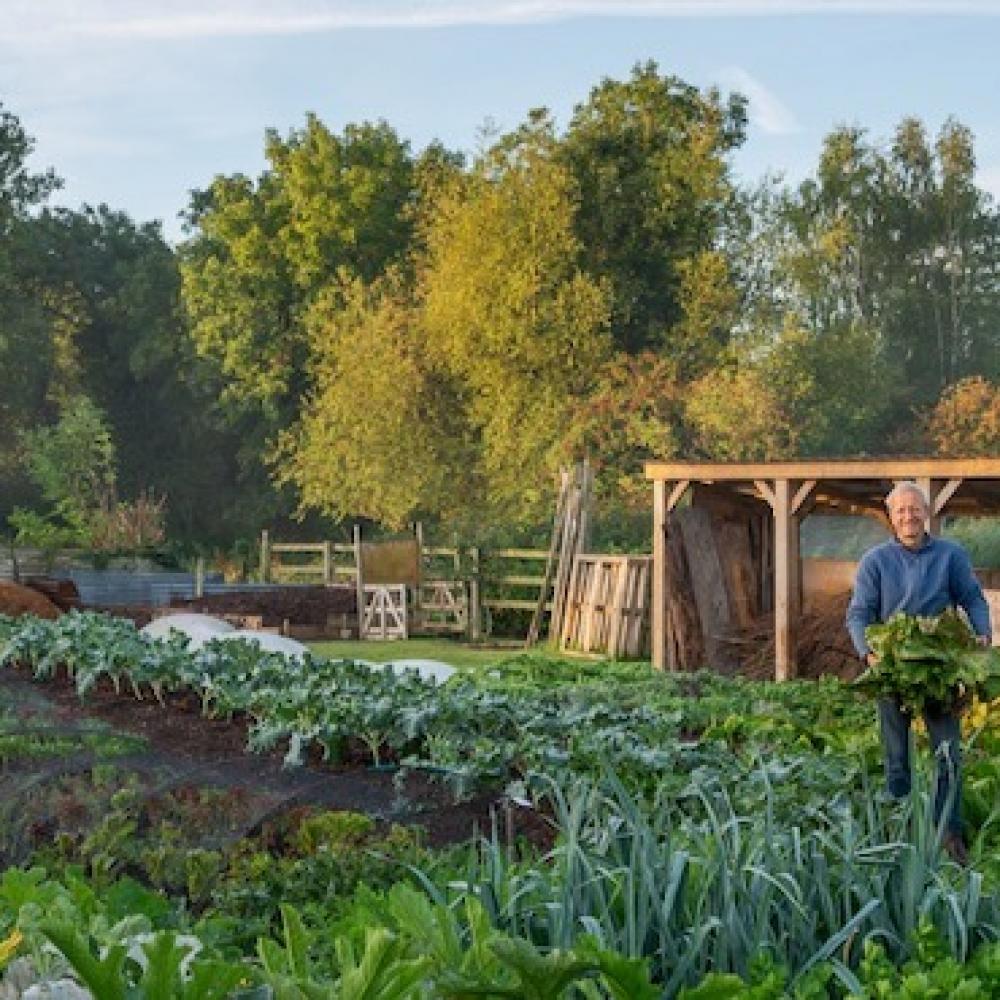


April Allotment Jobs
Tips
- Avoid planting out too early, as late frosts can damage young plants.
- Plant chitted second earlies during the first fortnight, and put main crops in during the last half of the month.
- Keep hoeing small weeds to save time and effort later on.
What to grow in April
What’s Possible in April
April is the month when your allotment begins to come alive, though there is still a risk of late frosts. Occasional showers may slow down tasks, but there is plenty to do, and a pleasant Easter break often provides a great opportunity to spend time in your allotment.
The average temperatures should allow some outdoor sowing, and indoor seedlings are usually thriving by now. Fruit trees start to blossom, and as spring gets underway, feeding, pruning and controlling emerging weeds become important tasks.
If it's a particularly warm April, water regularly to keep your plants healthy. On the other hand, you may still need to protect some crops against frost or strong winds.
Second earlies and main crop go into the ground this month, and you can start moving seedlings to their final positions. Continuous sowing of certain crops ensures a steady harvest, so what to sow in April is an important consideration for staggered growth.
If March has been particularly cold or wet, you may feel behind on allotment tasks, but you can still catch up with steady effort. Use a hoe to break down large lumps of soil while weeding, even in areas that look clear. Weeds often hide just below the surface and can quickly appear if left unchecked.
Pests start to reappear in April, so keep a close eye on slugs and carrot fly. Protect your crops with barriers, deterrents or gentle preventative measures to keep them safe.
At the same time, you will be able to harvest the last of the winter crops while early spring crops begin to grow. Some very early spring crops, such as cabbage and broccoli, may already be good for harvesting, and certain salad crops can also be harvested. Planning what vegetables to grow in April helps you maintain a steady supply throughout the season.
Your fruit trees will benefit from a fresh layer of compost and regular feeding, particularly citrus varieties. Some types of fruit will also need careful pruning now to encourage healthy growth and better yields later.
As always, there is plenty of maintenance work to carry out, including preparing additional beds, thinning seedlings, mulching damp areas and adding support canes where needed.
If you have an unheated greenhouse, it should be warm enough for plants that prefer higher temperatures. During a particularly warm month, you can start to harden off some of the seedlings before moving them to their final growing positions later in April or May.
You should also check your stored crops, such as potatoes and onions, for any signs of rot and damage. Removing affected items promptly will protect the rest and help you preserve your supplies for the season ahead.
By learning more about the best plants to plant in April and the best vegetables to grow in April, you can ensure this month becomes a strong foundation for a productive growing season.
April Allotment Jobs Checklist
As the growing season gets underway, April gives you the chance to sow and plant out your crops for the months ahead. Here’s a straightforward overview of the allotment jobs and planting opportunities April offers.
Soil Preparation
April typically brings warmer days, and the soil begins to warm enough for early preparation. You can use this time to clear away any remaining weeds and debris so your beds feel open and tidy. Light cultivation helps loosen the surface, although it’s best to avoid working soil that is still heavy with water.
Adding compost or well-rotted manure gives your beds the nutrients they need for the upcoming season. You can then rake the soil level to ensure it is ready for sowing later in the month. If you encounter heavy rains, take a moment to check how well the water drains. This helps you understand which areas may need extra attention before you begin planting
Sowing Seeds Outdoors
April is prime time for outdoor sowing. It becomes a regular part of your gardening routine, as the soil warms enough to support seeds that prefer cooler conditions. You can sow carrots, beetroot and parsnips directly into prepared beds. Peas and broad beans also respond well to being sown outdoors at this stage.
Salad leaves grow quickly in spring, so sowing small amounts every week gives you a steady supply later on. If you have early seedlings from March, thin them to ensure each plant has sufficient space to grow.
Protecting Indoor Seeds
Some crops still need warmth and protection during April. Using a windowsill or greenhouse helps you sow plants that are sensitive to cold soil. Courgettes, squash and pumpkins grow well under cover, where temperatures stay more stable. Tomatoes, peppers and aubergines need even warmer conditions and usually begin life indoors.
As seedlings grow, you can transplant them outside into individual pots, so their roots develop consistently. Ensure they are in a sunny position to prevent them from becoming leggy.
General Maintenance Jobs
Maintenance work plays an important role throughout April. Hoeing lightly across the beds keeps young weeds under control and prevents them from competing with new crops, and mulching helps the soil hold moisture as temperatures rise.
This is also a good time to repair pathways or any structures that might have shifted during winter. Putting supportive structures in place for peas and beans saves you time later, as these crops climb quickly once they begin growing.
If you have a greenhouse, gentle ventilation on warm days keeps air moving and helps create a healthy environment for your seedlings.
April Calendar for Allotment Growers
- April 1st-10th: Prepare soil and sow hardy crops outdoors.
- April 11th-20th: Transplant sturdy seedlings, plant early potatoes, and continue sowing salads.
- April 21st-30th: Ensure late-blooming plants are protected from frosts and add support for fast-growing crops.
What to Sow Now vs What to Plant in April
If you are planning what to sow in April, this month gives you many options. Since the days are longer and the soil becomes warmer, you can sow several hardy crops directly outside. Some of the seeds that grow well in outdoor beds during April include:
- Beetroot
- Carrots
- Lettuce
- Leeks
- Radish
- Turnip
Salad leaves grow quickly in April, so sowing a small amount every week gives you fresh harvests throughout the season. The plants to grow in April mentioned above are ideal if you want fast, steady crops.
If you are wondering what seeds to plant in April under cover, tender crops still need warmth at this stage. A greenhouse or a sunny windowsill helps you sow plants that prefer warmer conditions. These crops include:
- Tomatoes
- Peppers
- Aubergines
- Courgettes
- Squash
- Pumpkins
- Cucumbers
Using modules or small pots gives these seedlings enough space to build strong roots before you move them outside. As the plants grow, turn the pots regularly so each side receives enough light.
April also gives you the chance to plant sets and tubers into prepared beds. These are some of the best plants to plant in April outdoors:
- Second early potatoes
- Maincrop potatoes
- Onion sets
- Shallots
- Globe artichokes
- Asparagus crowns
If you’re thinking about what to plant in April in mild regions, you can also begin transplanting hardy brassicas like cabbage and broccoli. We recommend having some fleece on hand, as late frosts can still appear, and young plants benefit from extra warmth at night.
You can also sow herbs and flowers that support pollinators. Hardy annuals like calendula and cornflower grow well outdoors in April and add character to your plot.
By combining indoor and outdoor sowing in April, you can set up your allotment for steady growth throughout spring and summer.
Growing Vegetables in Containers or Small Spaces
If you’re still on the waitlist for an allotment to rent, consider growing plants in containers. It allows you to keep following your passion for gardening despite not having an allotment.
Here are some great vegetables to grow in April in containers or small spaces:
- Salad leaves grow well in troughs. They respond quickly to April temperatures and can be protected with horticultural fleece in case of late cold spells.
- Lettuce can be sown directly into containers and placed in a bright, sheltered spot.
- Spinach grows reliably in April and prefers a deeper pot to encourage strong roots.
- Radish is one of the quickest vegetables to grow in April and works well in shallow containers.
- Beetroot grows well in deep containers and appreciates soil that warms up early in the season.
- Herbs like parsley, chives and coriander can also grow in shallow troughs or smaller pots, just make sure you place them in a sunny position.
Precautions for Container and Indoor Growing in April
- Protect young plants from late frosts by bringing containers closer to a sheltered wall or covering them with horticultural fleece.
- Avoid waterlogging by choosing pots with drainage holes and raising them slightly off the ground.
- Check compost moisture regularly because April can swing between warm spells and sudden showers.
- Place indoor plants in bright positions to make the most of daylight.
Your April Grow-Your-Own Starter Kit
April marks the start of the growing year, and it’s the ideal moment to decide what vegetables to grow in April and how to set up your plot for the season ahead. To help you prepare for the growing season, we’ve put together your April Grow-Your-Own starter kit.
Here’s everything you can plan for on your allotment in April:
- Sow fast-growing crops like radish and spring onions to make use of warm soil.
- Directly sow hardy vegetables like beetroot and carrots outdoors once the ground becomes suitable.
- Start tender plants under cover, including tomatoes and courgettes, and keep them protected until the risk of frost has passed.
- Keep horticultural fleece and cloches ready for sudden cold nights to protect early plantings.
- Prepare seed beds by removing weeds and breaking up compacted soil, so young roots can establish easily.
- Feed overwintered crops with a balanced fertiliser and tidy up the space around them to encourage healthy spring growth.
- Clean and organise tools, containers and trays to keep planting new crops throughout April.
Common Problems & How to Avoid Them
When planning what bulbs to plant in April or what to sow in April, it helps to stay aware of the challenges this month can bring. While April is full of opportunities, it’s also a transition period, and understanding the common problems and ways to avoid them can keep your planning schedule on track.
Cold Snaps
April often brings warm days, yet occasional cold nights can still damage young seedlings. Protect tender plants by using fleece or cloches when temperatures dip, and keep the more sensitive vegetables under cover until weather conditions become stable.
Erratic Soil Conditions
Rainfall can fluctuate, leading to varying soil conditions. In such times, avoid cultivating soil that is overly wet to avoid compaction. If your plot struggles with drainage, you can leverage raised beds or add organic matter to ensure the soil recovers quickly after rain.
Pests
With rising temperatures, birds and slugs become more active. Slugs favour the fresh growth of lettuce and brassica seedlings, while birds often pull up young peas and beans. Protective barriers like slug traps and netting can limit early damage without disrupting your sowing routine.
Wind Damage
Spring winds can disrupt young transplants. Use canes or supports early on, and consider windbreaks if your plot is exposed to strong winds. Containers can simply be moved into sheltered areas on gusty days.
Tools & Techniques for April Success
Before deciding exactly what vegetables to grow in April, it’s useful to check whether you have the right tools and materials ready for the month ahead.
- Fleece or cloches
- Seed trays
- Hand trowel
- Potting compost
- Marking labels
- Netting
- Hoe and rake
Start Your Allotment Growing Journey and Share Your Experience with the Community
April is an energising month for allotment growers, whether you’re preparing your first beds or expanding a plot you’ve tended for years. At Allotment Online, we support you throughout every season with practical guidance. If you’re exploring the best plants to grow in April, our community is always ready to help.
Do you have a story you want to share about your growing experience? Share your stories, photos and advice with us in our comments and socials.
Our website offers insightful strategies for allotment growers. If you are excited to start on your allotment journey, you can check our directory for the nearest allotment association near you.
FAQs for April Allotments
What vegetables can I grow in April?
You can grow hardy crops like carrots, beetroot, peas, radish, lettuce and spinach in April.
Is April too early to plant vegetables outside?
It’s suitable for hardy crops, but tender plants, such as tomatoes and courgettes, still need protection from late frosts.
Should I fertilise my allotment in April?
Yes, adding compost or a balanced fertiliser supports strong early-season growth.
How do I protect my crops in April?
Use fleeces or cloches on cold nights and netting to shield young plants from birds and pests.