
Pumpkins

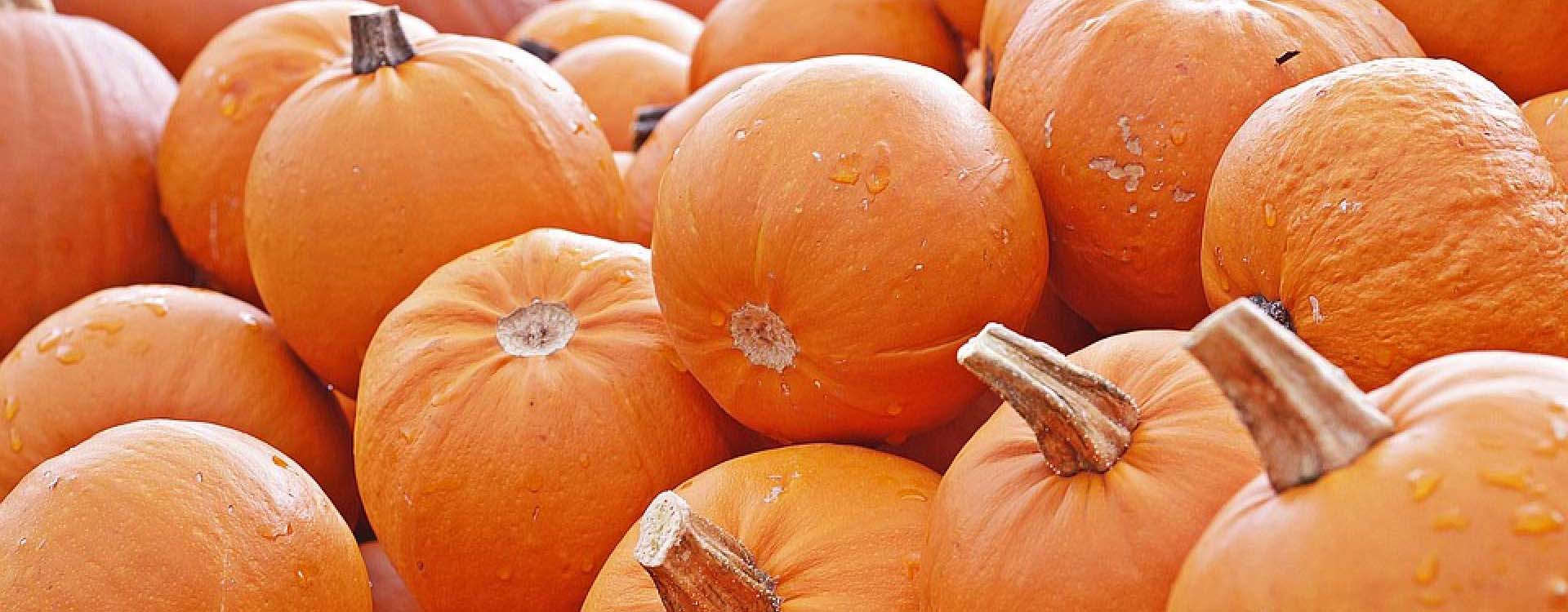
Fun Facts about Pumpkins 

  • The word 'pumpkin' first appeared in the fairy tale Cinderella in the 17th century
  • Orignially the Irish carved turnips and potatoes and later Irish immigrants in the US discovered that pumpkins were easier to carve.
  • Pumpkins are fruits, not vegetables
  • Pumpkins grow on every continent with the exception of Antartica
  • Pumpkins are good for your hearing
  • Pumpkin comes from the Greek word 'Pepon' which means 'large melon'
  • Pumpkins were once considered a remedy for freckles and snakebites
  • The largest pumpkin to grow on record was in 2016 where a Belgian growers' weighed in at 2624.6lbs
  • Illnois is known as 'Pumpkin Capital of the World'  

How to Grow Pumpkins


Seeds should be planted sideways and it's worth noting that if you soak overnight first, it speeds up the germination process.

You can plant pumpkin seeds in small pots from Spring or plant directly in the ground late May - June to ensure a Halloween-ready Jack-O-Lantern.

Keep seedlings in a warm and sunny spot on the windowsill and re-pot once they've established themselves and you have a plant to work with.

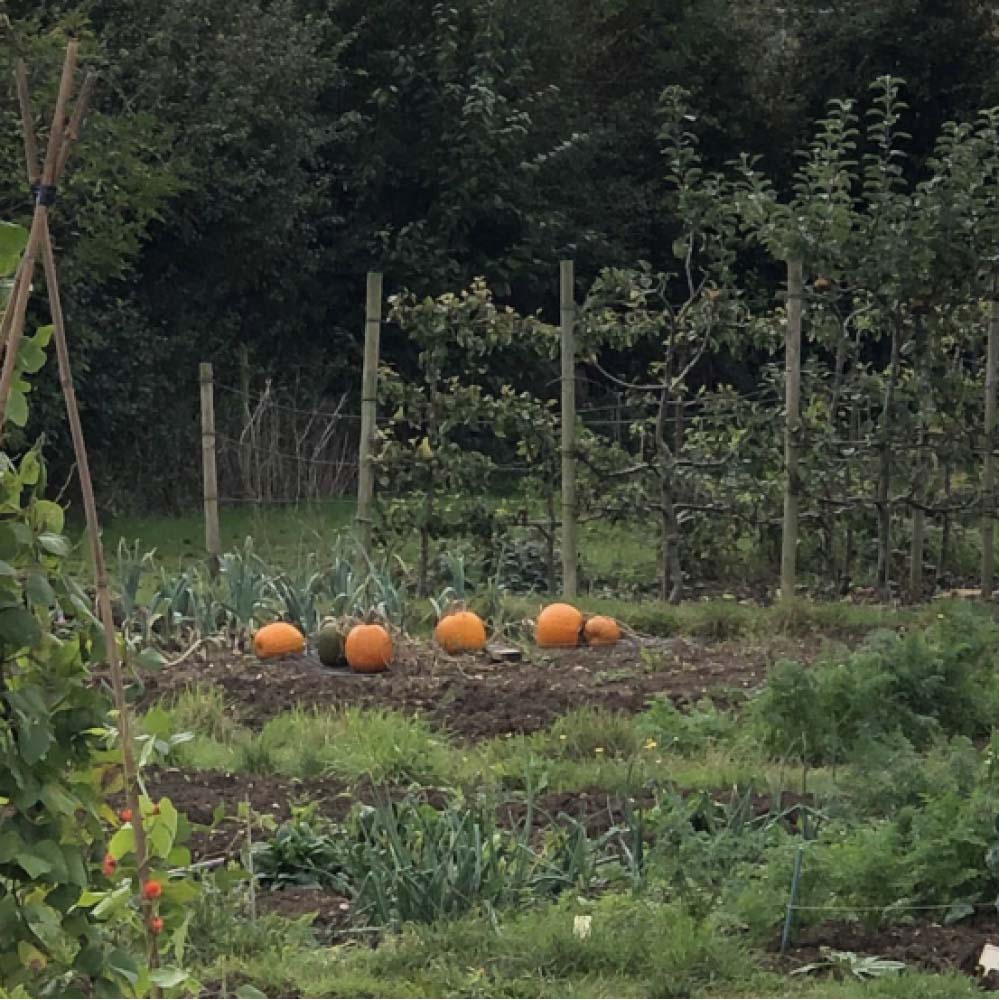
Once planted out, you need to allow for a good space for the foliage and fruits to grow in good well manured soil.  Water in dry weather and train with some encouragement your trails.  You can also manually encourage pollination with male and female flowers. 

Keep the area weed-free and once fruits begin to appear, raise them onto a hard surface such as a plank of wood or lay some straw to prevent the bottoms rotting. You can remove excess foliage to provide more sunlight to ripen the pumpkins.

When the skins have hardened, they should be ready to harvest. Happy Halloween! 

pumpkinm patch
  • Top 10 Allotment Growing Tips for Beginners in 2026

    Successful allotment growing for beginners depends on understanding soil and local climate, using basic tools, starting with manageable areas, and choosing reliable crops. Consistent watering, composting, early weed and pest control, timely harvesting, and learning from seasonal outcomes help new growers build confidence and maintain a productive allotment over time. Visit our website to learn more beginner-friendly allotment tips.

  • A Guide to Making the Most of Allotment Time with Kids

    Allotments give children structured, hands-on contact with nature that builds responsibility, patience, and practical understanding of food and ecosystems. With a safe setup and age-appropriate tools, children can take part in watering, planting, harvesting, observing insects, creative decoration, and recording growth, turning outdoor time into a consistent and meaningful learning opportunity. Visit our website to learn more about allotment planning for children.

  • 7 Farm-to-Table Recipes You Need To Try

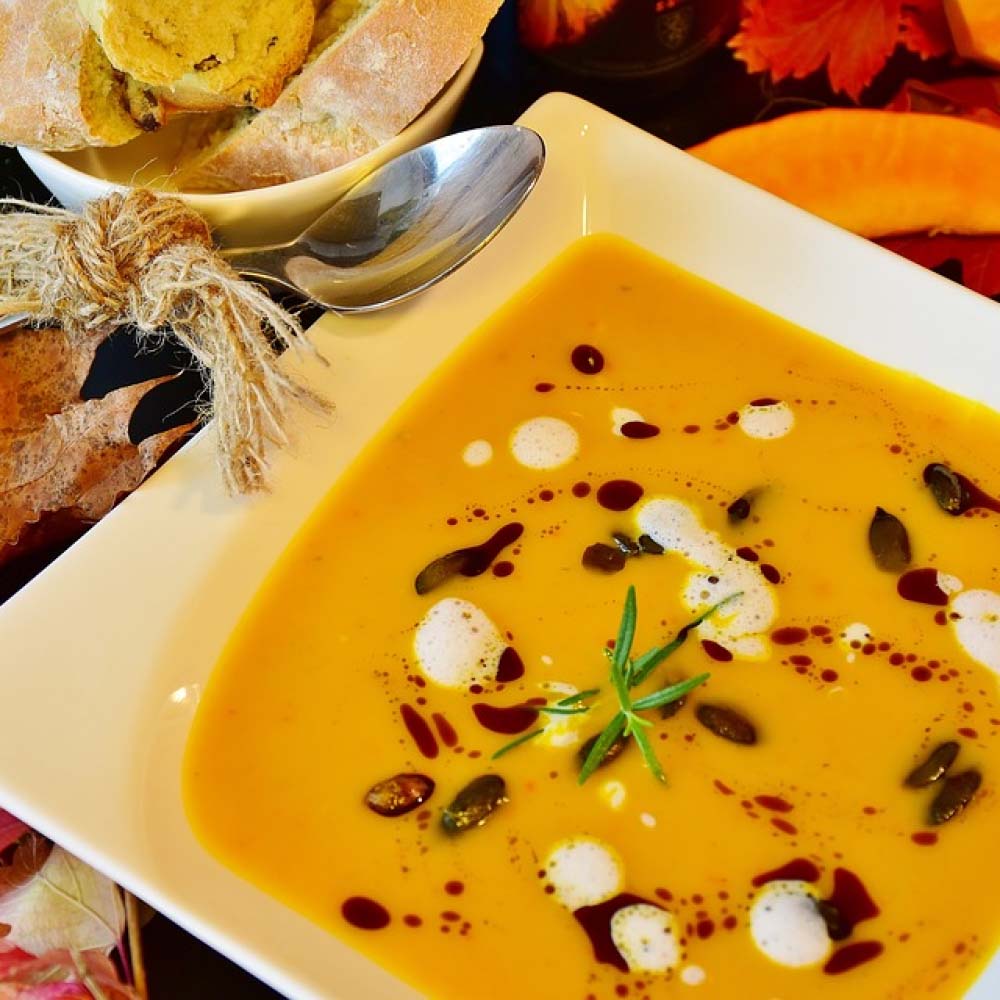
    Farm-to-table cooking connects homegrown produce with everyday meals using reliable allotment crops. These 7 recipes demonstrate how diverse common vegetables, fruits, and herbs, such as leeks, tomatoes, courgettes, beetroot, berries, and pumpkins, can be used to cook delicious meals. The concept of farm-to-table dining emphasises seasonal eating, practical use of harvests, and straightforward ingredient growing.

  • A Complete Guide on Choosing the Right Container for Growing Plants

    Container-grown plants rely on the right pot size, suitable materials, proper drainage, and well-prepared soil to establish strong roots and maintain steady growth. Matching container types to plant needs and preparing the compost correctly creates stable conditions that support healthy development in compact growing spaces.

  • A Brown Thumb's Guide To Not Killing Plants

    Beginners often kill plants due to overwatering, lack of light, or unnoticed pests.
    Stick to moist (not soggy) soil and ensure proper drainage.
    Match each crop to the right light level to avoid stunted growth or bolting.
    Check leaves and stems regularly to spot pests early
    Start with hardy, “unkillable” crops like potatoes, onions, garlic, and salad leaves.