


By BJ Sherriff Ltd
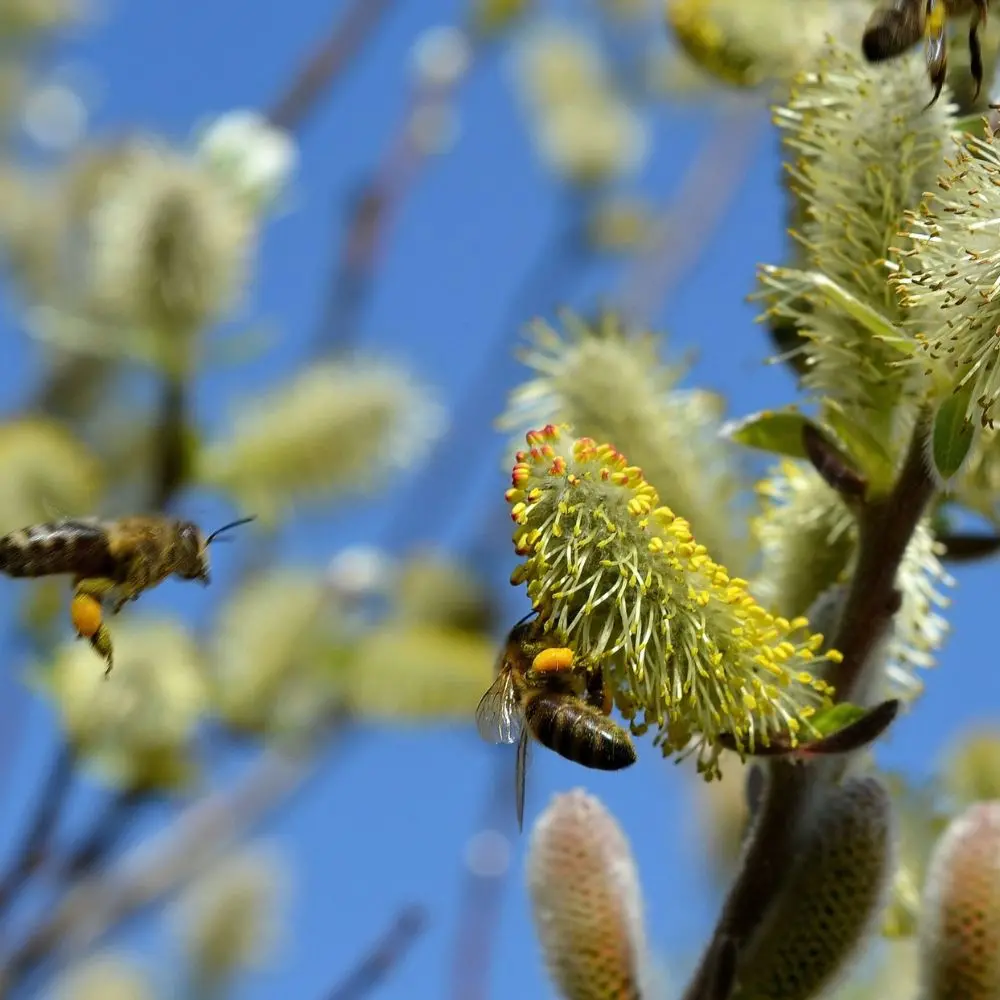
Walk through a UK allotment in late spring and early summer and you’ll hear it - a steady hum moving through broad beans, runner beans, raspberries, apple blossom and courgette plants. We all know bees help pollinate crops, but fewer stop to consider the biological precision taking place in those few seconds when a bee lands on a flower.
Pollination is not simply contact between insect and plant. It is the result of millions of years of co‑evolution between flowering crops and the insects that service them. The allotment, though modest in scale, is part of that ancient system.
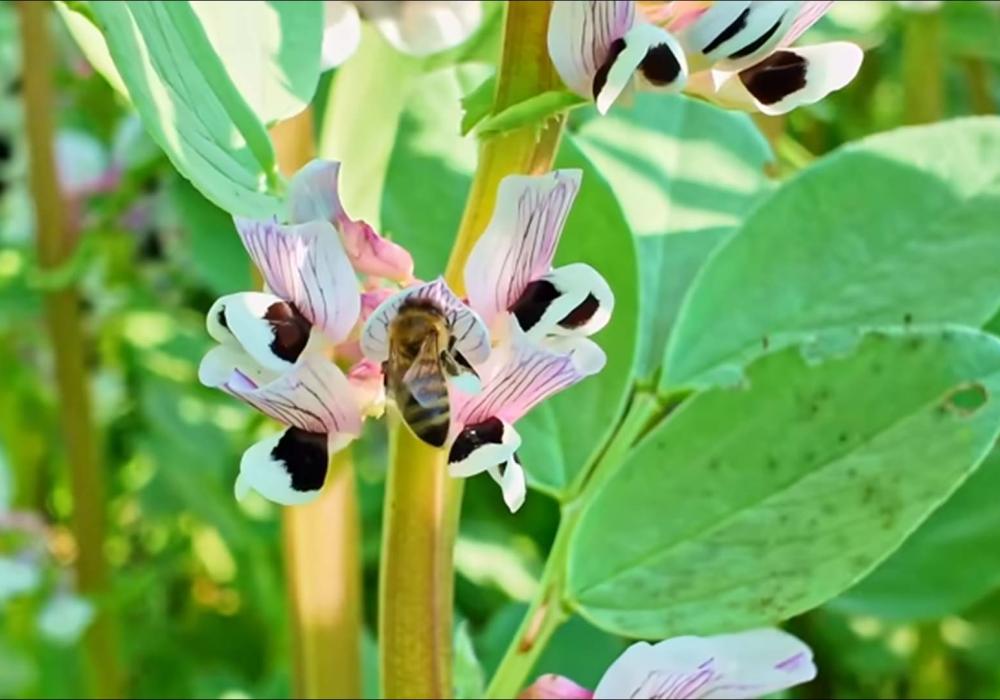
When a honey bee lands on a flower, she carries a mild electrostatic charge built up during flight. Pollen grains carry the opposite charge, so they are physically attracted to the bee’s body. Her branched hairs are designed to trap and hold pollen efficiently.
Bees also demonstrate floral constancy. If a bee begins collecting from broad beans, she is likely to continue visiting broad beans for that trip. For UK allotment crops such as runner beans, courgettes and soft fruit, this increases fertilisation success and improves pod formation and fruit set.
The result is not only more produce, but better‑formed produce — fuller bean pods, evenly shaped courgettes and well‑developed berries.
At peak season, a colony may contain 40,000–50,000 bees. Each forager can travel several miles and visit thousands of blooms daily.
To produce one pound of honey, bees collectively fly a distance equivalent to several times around the Earth. Honey is stored solar energy — captured by plants, concentrated in nectar and preserved by bees.
When allotment crops are in bloom, they form part of that energy network. The flowering of apple trees, raspberries and beans represents opportunity in the hive’s seasonal economy.
Cross‑pollination increases genetic mixing between plants. On allotment sites where multiple growers cultivate similar crops, bees transfer pollen between plots, enhancing resilience and seed viability.
This contributes not only to yield but to crop robustness and long‑term health.
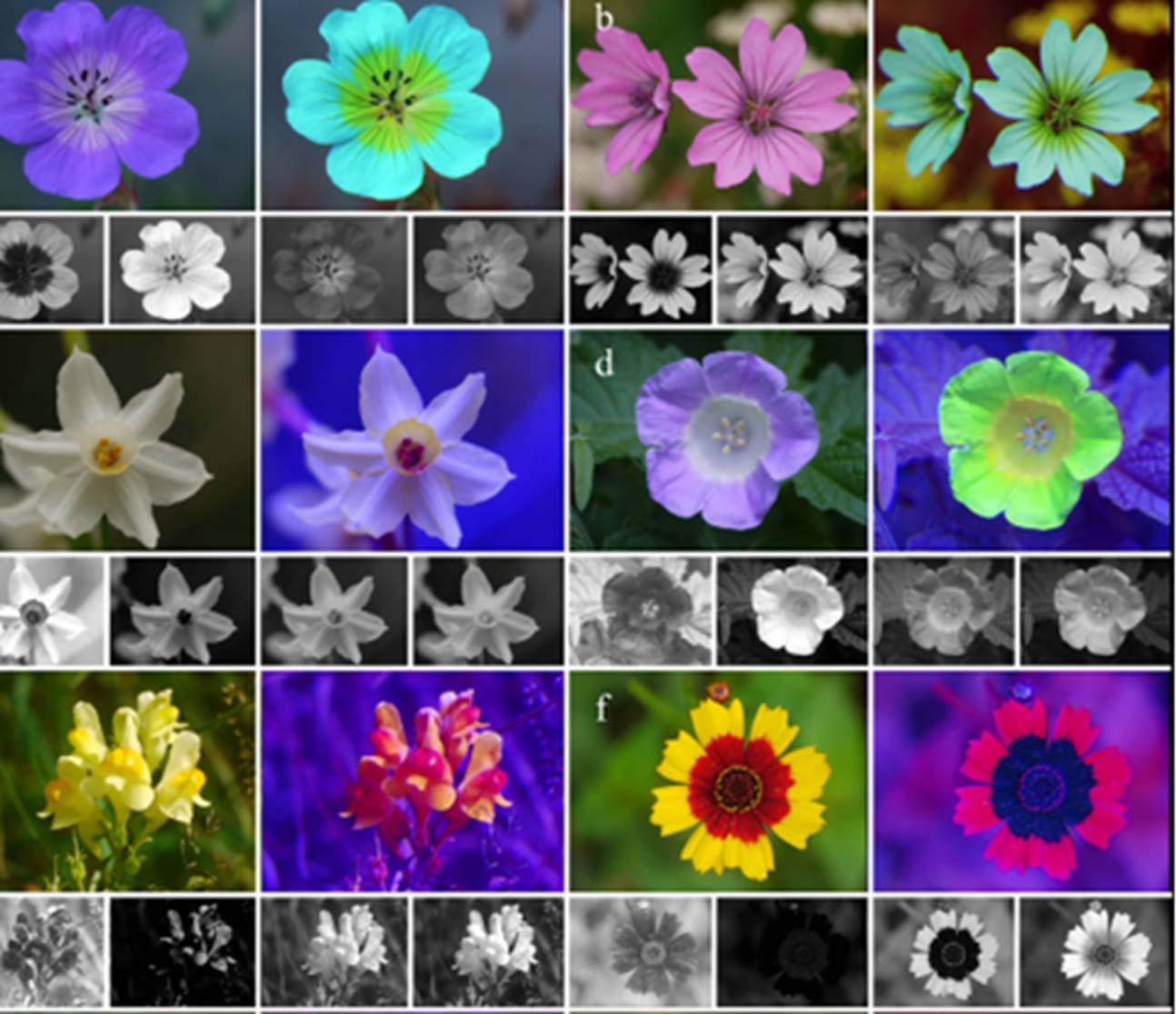
Bees see ultraviolet light. Many flowers, including those of fruit trees and beans, contain ultraviolet nectar guides invisible to humans.
They can detect subtle scent molecules at extremely low concentrations and may sense atmospheric pressure shifts before weather changes.
To a bee, the allotment is layered with information we cannot perceive.
Hexagons maximise storage while minimising wax use.
Wax production consumes roughly 6–8 pounds of honey per pound of wax.
Comb distributes weight efficiently across the hive.
Strong bee activity often reflects a balanced environment — diverse planting, moderate chemical use and consistent seasonal forage.
A decline in bee activity may signal broader ecological imbalance.
Many UK allotments host more solitary bees than honey bees. These species nest in soil banks or hollow stems and are often excellent pollinators.
Leaving undisturbed areas and allowing some plants to go to seed can support these populations.
Honey bee vs solitary bee comparison
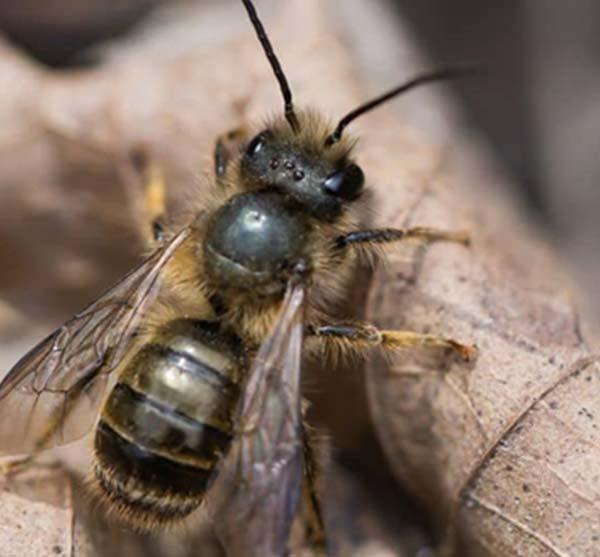
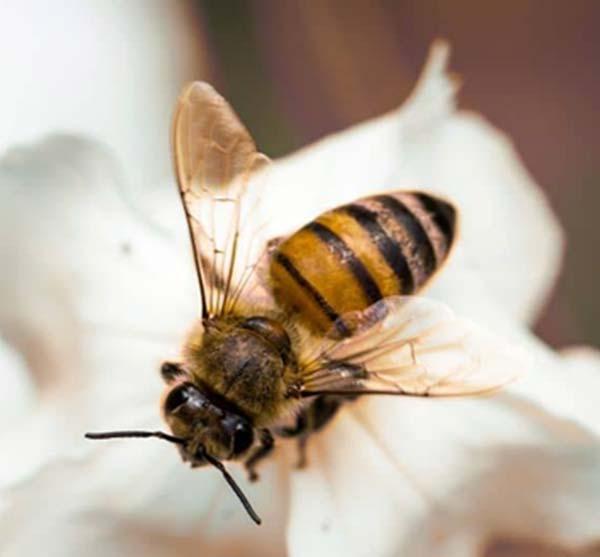
Honey bees are livestock and require management. Swarm control, disease awareness and consideration for neighbouring plots are essential.
Joining a local beekeeping association is strongly recommended for those considering keeping hives.
Bees are not background noise in summer. They are active partners in food production, linking plants, transferring genetic material and strengthening ecosystems across the allotment landscape.
The more we understand their biology and behaviour, the better equipped we are to grow alongside them.
Before protective clothing became the focus, the Sherriff family managed over 400 hives on their land. Beekeeping was the foundation, providing first‑hand experience of hive management and beekeeper safety.
Today BJ Sherriff remains an independent Cornish manufacturer of specialist protective clothing for beekeepers and those working around stinging insects.
More information can be found within our directory listing below: